
LangSmith alternatives
Compare Lunary, Langfuse and Helicone for tracing, prompt management and deployment.
$20 per user / month. Payment required to activate your workspace.
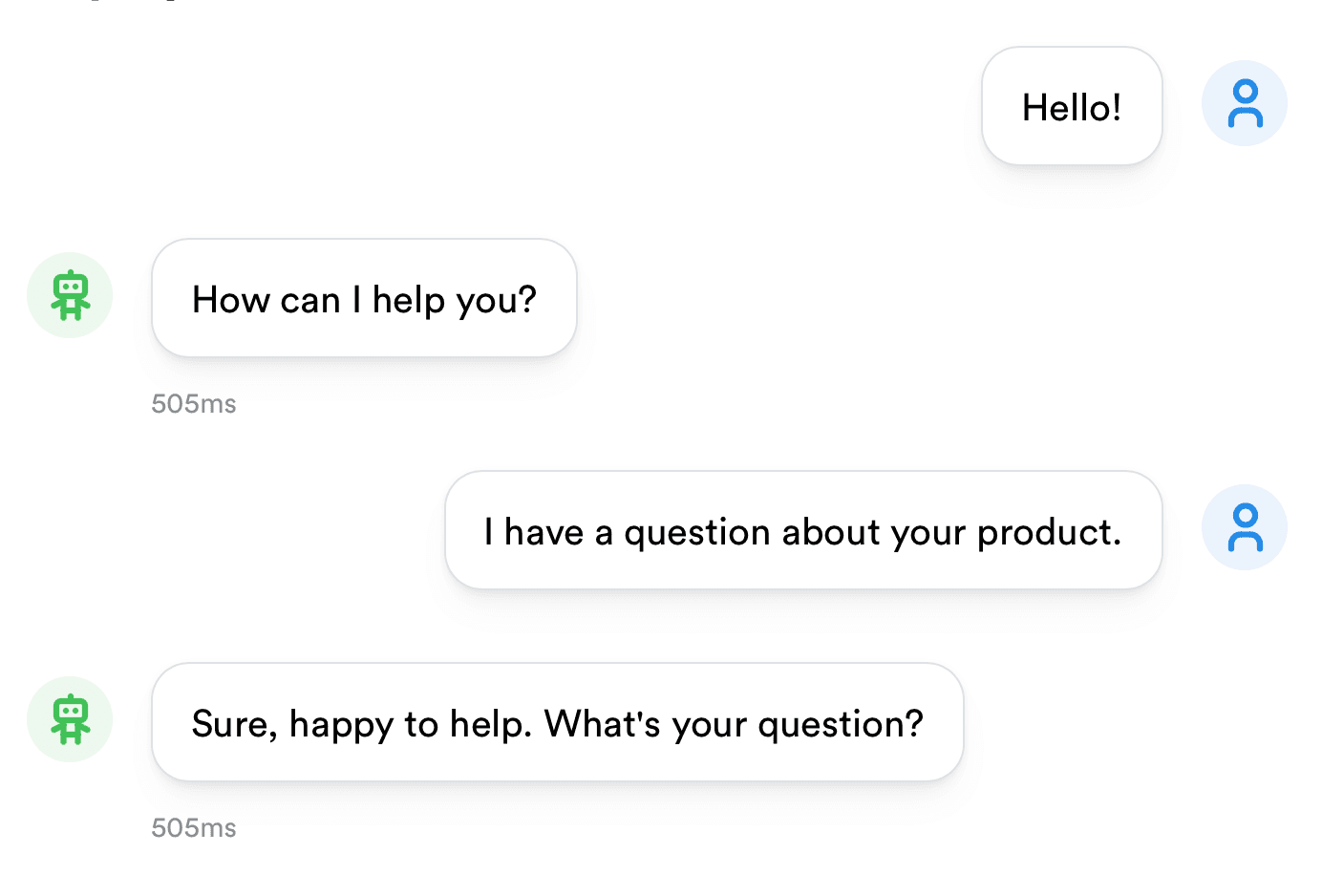
Choose Lunary when your team needs to turn customer feedback into a traceable fix. Compare it with Langfuse for open-source observability and Helicone for gateway routing.
Lunary
Replay customer conversations, inspect the failing run and improve the prompt in one platform.
Langfuse
Open-source tracing, evaluations and prompt management.
Helicone
Provider routing and request observability through an AI gateway.
At a glance
| Candidate | Start your evaluation here | Verify before choosing |
|---|---|---|
| Lunary | Conversation → trace → prompt review | Your framework, data controls, and team workflow |
| Langfuse | Tracing → datasets → experiments | Deployment operations and edition requirements |
| Helicone | Gateway → requests → provider operations | Routing needs and custom tool visibility |
| Keep LangSmith | Existing traces → evaluations → prompts | Whether a configuration change solves the actual problem |
See your workflow in Lunary.
Explore conversations, traces and prompt versions with our team.
What changes when you switch
LangSmith already supports tracing, evaluations and prompt engineering. The difference to test is how each alternative fits your team and infrastructure.
Try one real failure
Use a failed agent task with a model call, tool error and retry in each candidate.
- Can you follow every child operation?
- Can a teammate find the cause and test a prompt fix?
- Are those features included in your plan?
Keep the history you need
Export a sample and preserve source IDs before switching instrumentation. Traces, prompts, datasets and permissions need separate migration plans.
Questions & answers
Does LangSmith require LangChain?
No. LangSmith supports framework-independent tracing.
Which alternative is cheapest?
Compare current plans using your volume, retention, seats, evaluator usage and hosting costs.
By Lunary · Documentation reviewed Sep 16, 2026
Sources & methodology (8)
Based on vendor documentation, not an independent benchmark or hands-on rating. Features and plans can change.
Bring your next AI issue to Lunary.
Follow the conversation. Find the cause. Test the fix.
$20 per user / month. Payment required to activate your workspace.